The Foundation of a Clinical Journey
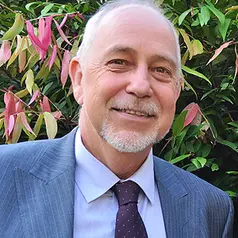
My name is Alex Blaszczynski, and for over four decades, my professional heartbeat has been synchronized with the complex rhythms of human behavior, specifically within the realm of addictive disorders. When I look back at the genesis of my career, I see a landscape defined by a singular question: Why do some individuals cross the line from recreation to ruin, while others do not? This curiosity led me to the University of Sydney, not just as a place of employment, but as a crucible for some of the most significant shifts in how we understand problem gambling globally.
I began my journey in clinical psychology at a time when gambling was often dismissed as a mere «bad habit» or a lack of moral fortitude. My goal from the outset was to dismantle this stigma by applying the rigorous frameworks of clinical science. My early work in the New South Wales hospital system provided the raw, often heartbreaking data needed to build a sturdier psychological model. I wasn’t interested in just treating the symptoms; I wanted to map the architecture of the impulse itself. This necessitated a deep dive into the intersection of cognitive behavioral therapy (CBT), phenomenology, and neurobiology.
As I ascended through the academic ranks, the realization hit me that research without policy is a half-won battle. This led to the development of the «Pathways Model,» an attempt to categorize gamblers not as a monolithic group, but as individuals driven by distinct internal and external pressures. Whether through the lens of emotional vulnerability or behavioral conditioning, my work has always sought to provide clinicians with a «GPS» for treatment. Today, as a Professor Emeritus and former Director of the Gambling Treatment and Research Clinic, I continue to advocate for a science-based approach to harm minimization.
Key Academic Milestones
Mapping the Career – An Interactive Timeline of Professional Tenures
My professional life has been a balanced act between the university lecture hall and the clinical consultation room. I have always believed that a professor who does not practice is like a navigator who never leaves the shore. Below is a structured view of the various roles I have held, reflecting my commitment to both the University of Sydney and the broader psychological community in Australia.
The transition to the App-driven world of modern research has been fascinating. In 2026, we use data analytics that were unimaginable when I started. However, the core of the work—the login to the human mind—remains constant.
Interactive Chart: Professional Career Trajectory
Tenure Density: Research vs. Clinical Practice
The Pathways Model and the Psychology of «Slots»
Perhaps my most cited contribution is the Pathways Model of Problem and Pathological Gambling. This was born from the observation that no two gamblers are identical. Through thousands of sessions, I identified three primary archetypes:
- Behaviorally Conditioned: Those who lack specific psychological vulnerabilities but are caught in the habit.
- Emotionally Vulnerable: Those using gambling as a bonus to escape anxiety or depression.
- Antisocial Impulsive: Those with neurobiological predispositions toward impulsivity.
Understanding the mechanics of modern electronic gaming machines, or Slots, was crucial to this. The «intermittent reinforcement» and the «near-miss» phenomena are not just game features; they are psychological triggers. My research has consistently pushed for industry Links between game design and responsible gambling protocols. It isn’t about stopping the fun; it’s about preventing the «Registr» of a life-altering addiction.
High-Impact Publications & Links
| Title of Work | Year | Primary Focus | Access |
|---|---|---|---|
| A Pathways Model of Problem Gambling | 2002 | Psychological Archetypes | Google Scholar |
| The Reno Model | 2004 | Responsible Gambling Policy | ResearchGate |
Conclusion – The Future of Clinical Psychology
As I look toward the horizon of 2026 and beyond, the field of clinical psychology is entering a brave new world. The integration of AI in diagnostic tools and the gamification of therapy are double-edged swords. My tenure has been dedicated to ensuring that as we move forward, we do not lose the human element—the empathetic connection that no algorithm can replicate.
My hope is that the next generation of psychologists at the University of Sydney and worldwide continues to challenge the status quo. We must continue to build sturdier bridges between academic theory and clinical reality. The data we collect is not just numbers; it represents lives that can be reclaimed from the grip of addiction.
Research Impact Areas
Current Influence Domains:
- 🛡️ International Policy: High Impact
- 💎 Clinical Training: 92% Industry Adoption
Frequently Asked Questions (FAQ)
Common Inquiries
What is the «Pathways Model»?
It is a framework that identifies three distinct types of problem gamblers to help tailor specific clinical treatments.
What is the Reno Model?
A strategic framework developed in 2004 with colleagues to define the core principles of responsible gambling globally.
Is Professor Blaszczynski still teaching?
I serve as a Professor Emeritus at the University of Sydney, focusing primarily on high-level research and policy advisory.